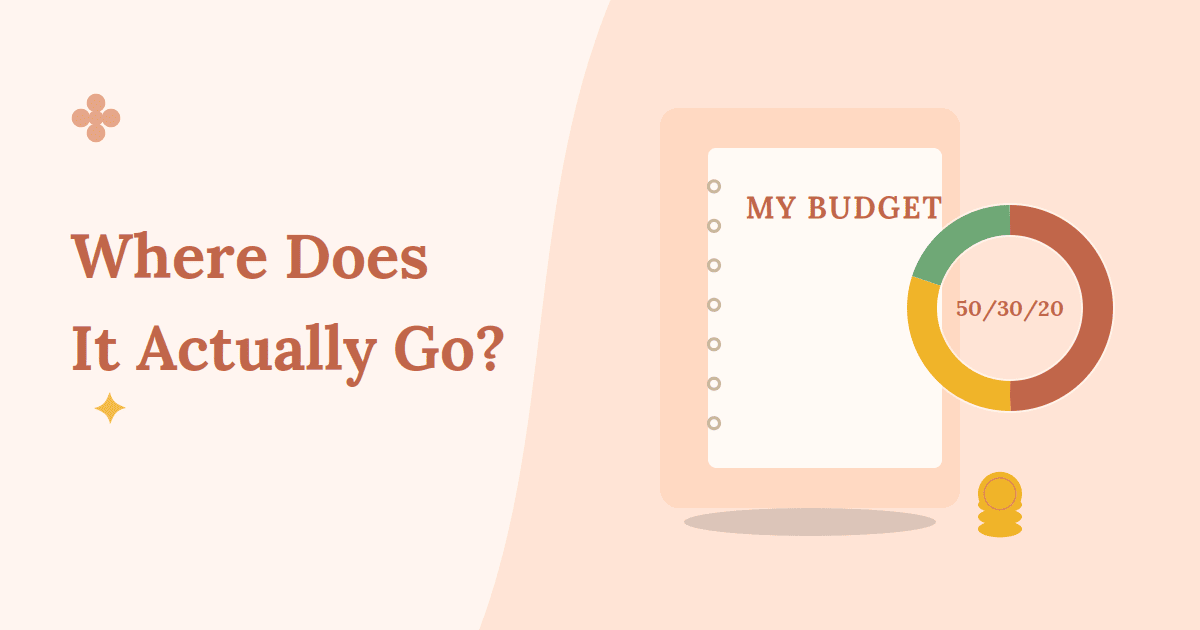
The 50/30/20 rule says to spend 50 percent of your income on needs, 30 percent on wants, and 20 percent on savings. It is simple and easy to remember. The problem is that it was built for a much cheaper housing market than the one most Canadians live in today.
If you are only realizing now that you need a system in the first place, 5 signs you need a budget is worth reading before diving into the framework below.
Why 50/30/20 Breaks Down in Canada
In cities like Toronto, Vancouver, and Montreal, rent alone can take up 40 to 50 percent of a typical paycheck. That leaves almost nothing for the other categories before you have even bought groceries.
Here is what that looks like with a real Canadian example, based on average take home pay of $3,500 a month:
- Rent: $1,800, which is 51 percent of income
- Groceries: $400, which is 11 percent of income
- Transportation: $300, which is 9 percent of income
Those three categories alone already use 71 percent of take home pay, before any debt payments, subscriptions, or savings are added.
A More Realistic Canadian Framework
Instead of forcing your numbers into fixed percentages, try this priority order. It reflects how money actually needs to move in 2026.
Priority 1: Survive. Housing, groceries, utilities, and minimum debt payments come first. These are non negotiable.
Priority 2: Stabilize. Build a small starter emergency fund of $1,000, then grow it toward three months of expenses over time.
Priority 3: Attack debt. Send every extra dollar toward debt, starting with either your smallest balance or your highest interest rate, depending on which debt payoff method keeps you motivated.
Priority 4: Build wealth. Once debt is under control, direct money into a TFSA, an RRSP, or other investments.
Priority 5: Live. Dining out, entertainment, and travel still matter. The goal is to fund them with cash, not credit.
How getFlourish Helps
Inside your getFlourish planner, which is organized around how you actually get paid rather than a flat monthly grid, you can tag every expense as a Need, a Want, or Savings. The overview tab then shows your real percentage breakdown automatically, no spreadsheet required.
The goal is not to force your numbers into 50/30/20. The goal is to know exactly where every dollar goes and to make that allocation on purpose. That alone puts you ahead of most people managing money without a system.
Frequently Asked Questions
Is the 50/30/20 rule realistic for Canadians in 2026? For most renters in major Canadian cities, no. Housing costs alone often exceed the 50 percent needs category, which forces wants and savings into smaller shares than the rule assumes.
What should Canadians use instead of 50/30/20? A priority based system works better. Cover survival costs first, build a small emergency fund, pay down debt, then invest, and finally allocate what remains to lifestyle spending.
How can I track my actual spending percentages? Tag every expense by category inside a budgeting tool like getFlourish. The app calculates your real percentage split automatically each month, so you always know your true numbers instead of guessing.